
Jul 29, 2026
How to Tell If Yoga Leggings Are Truly Squat-Proof
Learn why yoga leggings become see-through and how activewear brands can evaluate fabric, color, fit, stretch and construction before bulk production.
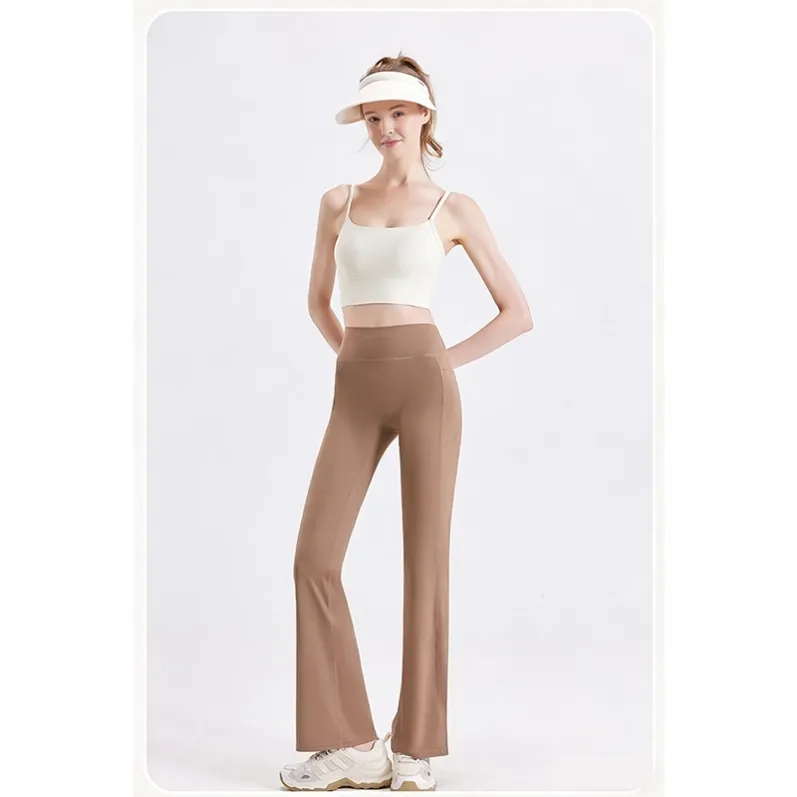
How to Test Squat-Proof Yoga Leggings Before Bulk Production
“Squat-proof” is widely used in activewear marketing, but it should not be treated as a permanent property of fabric alone. Opacity is the result of fabric, color, fit, pattern and the amount of stretch applied during movement.
For brand owners, the right question is not simply “Is this fabric squat-proof?” A better question is: “Does this finished legging provide acceptable coverage in the intended colors, sizes and movements?”
Why leggings become see-through
Several factors can reduce coverage:
the knit opens when stretched;
the selected color has lower visual coverage;
the fabric is too light or insufficiently dense for the design;
the pattern creates excessive tension across the hip or seat;
the garment size is too small for the wearer;
the fabric is stretched beyond the intended working range;
the underwear color contrasts strongly with the garment;
surface damage or aging has reduced fabric integrity.
This explains why a black sample may pass while a pale seasonal color made from the same base fabric needs closer review.
Do not rely on an unstretched swatch
Holding fabric up to a window is useful for an initial observation, but it does not reproduce the strain distribution of a finished garment. Likewise, checking a legging only while standing can miss the highest-risk condition.
A practical development review should include:
the actual finished sample;
the intended size on a suitable fit model;
bending, squatting and forward-fold movements;
front, side and back views;
more than one lighting condition;
each important color, particularly light shades;
observation of seam and panel stress.