
Jul 29, 2026
How Waistband Elastic Affects Yoga Leggings Fit and Comfort
Waistband elastic affects support, pressure, rolling and recovery. Learn what activewear buyers should specify and test during yoga leggings development.
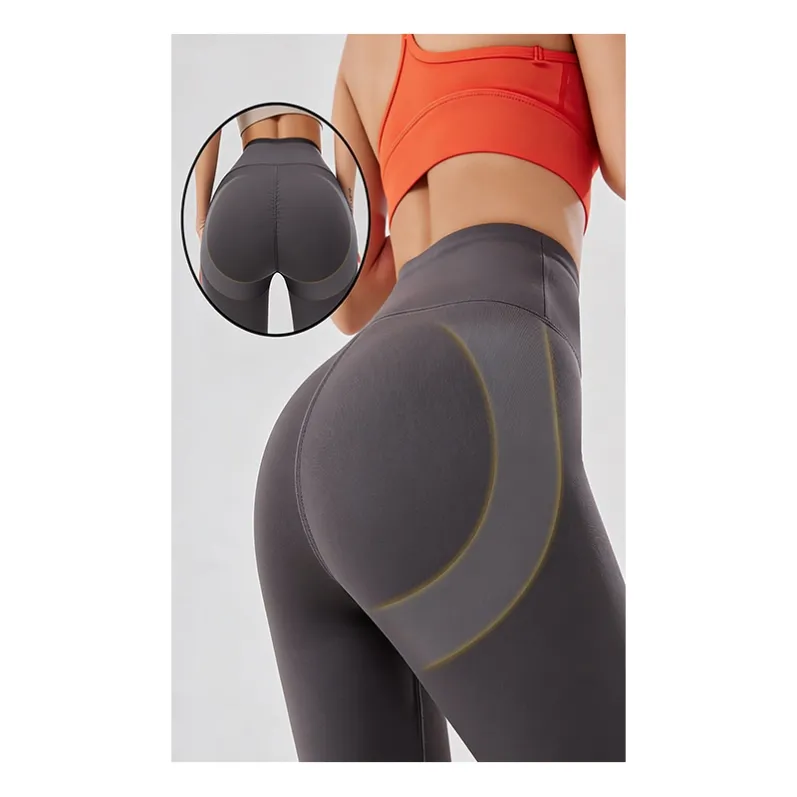
The waistband may look like a simple part of yoga leggings, but it carries several jobs at once: holding the garment in position, distributing pressure, supporting movement and preserving the intended silhouette.
When the elastic or waistband structure is poorly matched to the fabric and pattern, the result can be rolling, gaping, sliding, excessive pressure or sewing difficulty.
Firmness and support are not the same thing
A firmer elastic may feel supportive, but excessive firmness can create discomfort and visible pressure marks. A soft elastic can feel comfortable initially but may lack sufficient recovery or stability for the intended design.
The correct balance depends on:
target activity;
waistband height and shape;
number of fabric layers;
garment negative ease;
fabric compression and recovery;
target customer and size range;
whether internal elastic is required at all.
Some wide self-fabric waistbands can be engineered without a separate elastic, while other designs benefit from controlled internal support. The design decision should be intentional.
Elongation and recovery must be considered together
Elongation describes how far elastic can extend. Recovery describes how it returns after extension. A component that extends easily but recovers slowly may contribute to a waistband that loosens during wear.
For meaningful comparison, the test conditions must be consistent: specimen length, extension, speed, hold time, cycles and recovery time. A quick hand pull is helpful for screening, but it is not a complete specification.
Why waistbands roll
Rolling can result from several interacting causes:
the waistband is too high or too soft for the body curve;
internal elastic is too narrow, firm or poorly positioned;
pattern contour does not match the target shape;
fabric and elastic recover at different rates;
seam bulk encourages folding;
the garment is too tight or too loose in critical areas.