
Jul 29, 2026
How Small Sewing Details Affect Premium Activewear Quality
Discover how stitch density, seam matching, thread ends, reinforcement and symmetry shape premium yoga wear and sportswear quality.
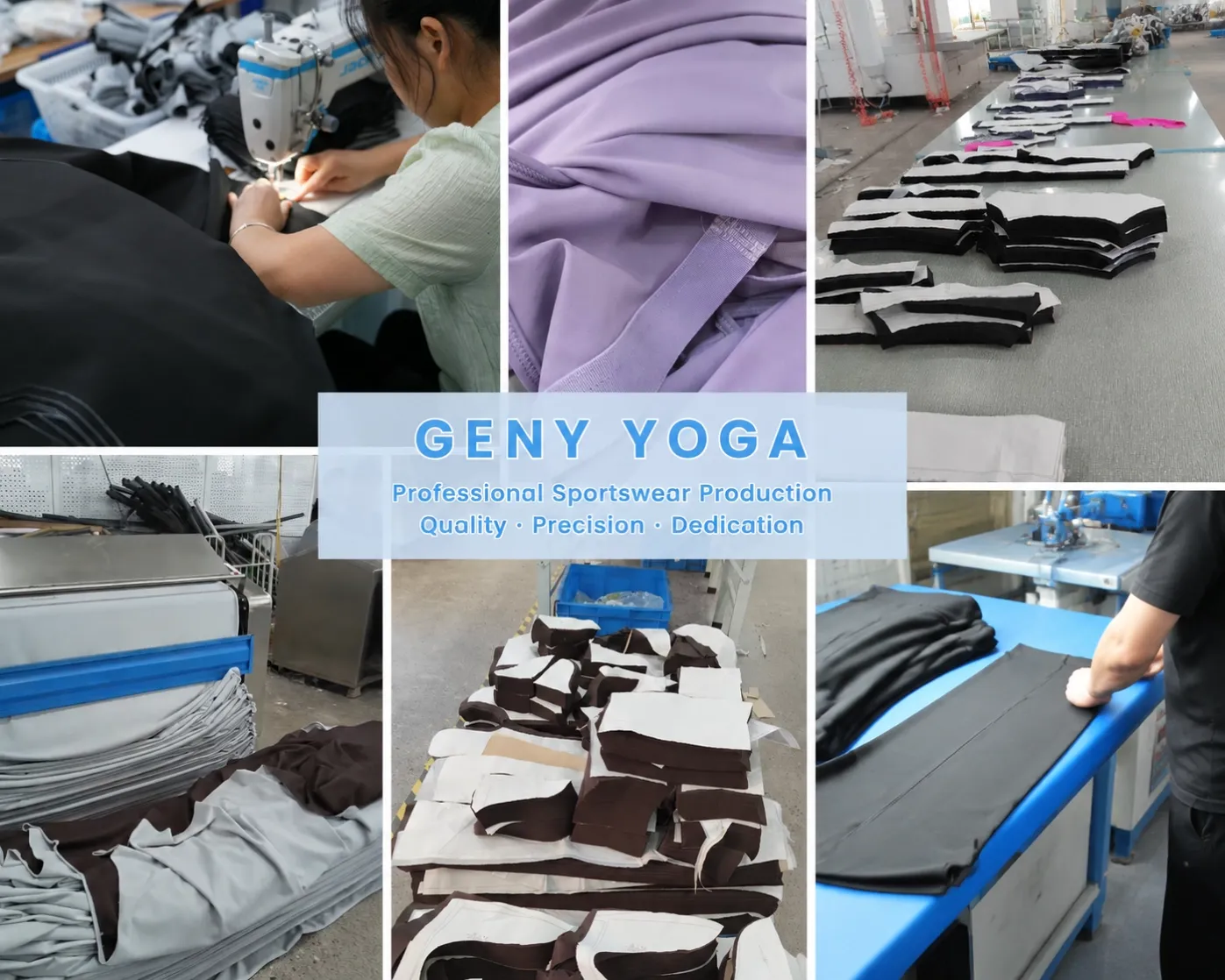
Premium quality is rarely created by one expensive feature. Customers experience it through many small, consistent details: smooth seams, balanced tension, accurate matching, controlled thread ends and comfortable reinforcement.
These details may be difficult to communicate in a product photograph, but they influence trust, wearability and return risk.
Details buyers should not overlook
Waistband joins, panel lines and color-block intersections should meet according to the approved standard. Misalignment becomes more visible on symmetrical leggings and sculpted sports bras.
Stitch consistency
Uneven stitch density or wandering topstitching creates a less controlled appearance. Curves and layer changes require particular attention.
Thread ends and starts/stops
Loose ends, poor backtacking or insecure chain ends can develop into visible defects or seam opening.
Pocket openings, drawcord points, strap joins and other load areas may need bartacks or defined reinforcement. More reinforcement is not always better; excessive stiffness can create discomfort or tearing beside the reinforced area.
Seam allowance control
Variable seam allowance changes measurements and can make left and right sides inconsistent. In fitted activewear, small differences may affect symmetry and pressure.
Cut yarns or needle holes may not become obvious until the garment stretches or is washed. Correct needle selection and replacement are important.
Labels and body contact
A technically sound garment can still feel poor if a label edge scratches the skin or a seam end sits at a pressure point.
Premium does not mean maximum complexity
Adding more panels, stitches and trims increases operations and possible variation. A simpler design executed consistently can feel more premium than a complex style with unstable details.
Turn preferences into standards
Buyers should use:
clear construction diagrams;
close-up approved photos;
physical reference samples;
measurement tolerances;
defect definitions;
prioritized critical quality points.