
Jul 29, 2026
Why Stitching Thread Color Looks Different on Activewear
The same thread shade can look different across seams. Learn how material, sheen, stitch density, tension, lighting and fabric affect activewear color.
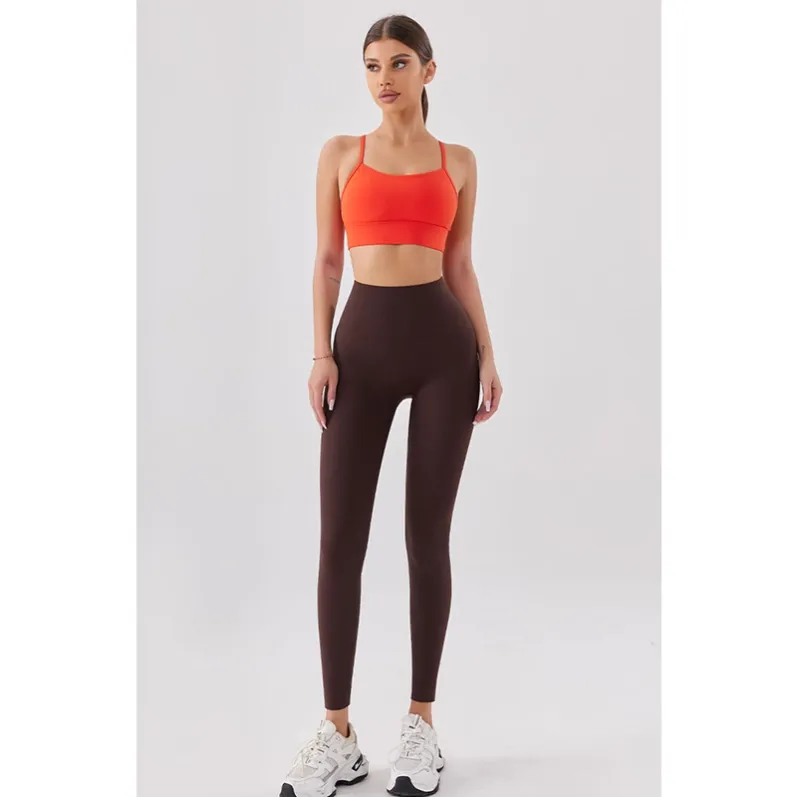
Why Stitching Thread Can Show Color Variation in One Garment
A buyer may approve one thread shade and later notice that the pocket topstitching looks brighter than the joining seam on the same garment. This does not always mean two completely different colors were used. Thread appearance changes with material, light, stitch formation and its relationship with the fabric.
For exposed stitching, shade approval should consider the finished garment—not only a thread cone or color card.
Thread material and surface sheen
Polyester, nylon and textured threads reflect light differently. Even within one fiber category, filament structure, twist and finish can change luster. A smooth, shiny thread may appear lighter on a raised topstitch, while a textured thread in an overlock seam may appear deeper or softer.
Thread size and stitch density
A heavier thread presents more color to the eye. Dense stitching creates a more continuous color field than widely spaced stitching. Therefore, the same nominal shade can appear different when used in:
twin-needle topstitching;
flatseam construction;
bartack reinforcement.
Stitch direction and light
Stitches positioned at different angles reflect light differently. Curved pocket seams, vertical side seams and horizontal waist seams may not look identical under the same light.
The fabric surface also matters. Matte, brushed, ribbed and shiny fabrics create different visual contrast with thread.
Tension and stretch
Thread pulled tightly into the seam may expose less surface area. A relaxed topstitch may sit more visibly above the fabric. When activewear is stretched on the body, the spacing and angle of stitches can change, altering color perception.
This is why thread should be reviewed on both a relaxed garment and, where relevant, a worn or stretched sample.
Dye lots and replacement risk
Actual shade variation can also occur between thread dye lots. A substitute thread selected only by a similar color number may differ in fiber, sheen or performance.
For visible stitching, bulk thread should be controlled against an approved physical reference. If multiple thread types are necessary for different machines, each one should be approved in its final seam application.
A practical approval method
Match thread on the actual bulk-color fabric.
Sew representative seam types, not one straight line only.
Review under consistent lighting and natural viewing conditions.
Check relaxed and gently stretched appearance.