
Jul 29, 2026
Why Two Yoga Leggings in the Same Size Fit Differently
An M label does not define fit. Learn how pattern measurements, fabric stretch, rise, waistband, gusset and grading shape yoga leggings.
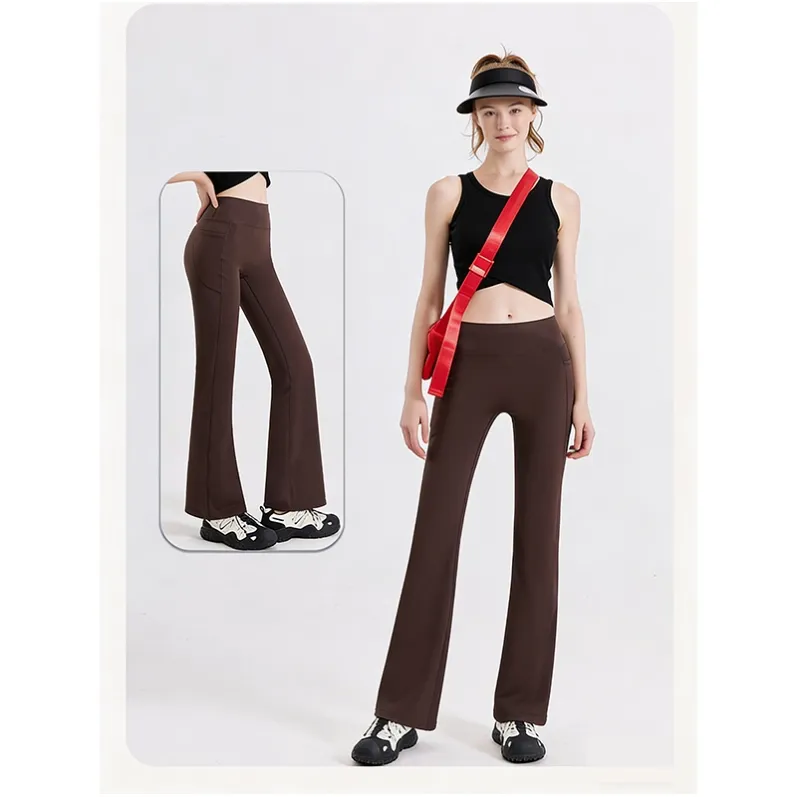
Two pairs of leggings can both carry an M label and still feel completely different. One stays secure without pressure; another rolls at the waist, pulls at the crotch or slides during movement. This is not necessarily a labeling error. Size names are brand-defined, while fit is created by measurements, pattern shape, material behavior and construction.
For B2B buyers, understanding these variables is essential when comparing samples or developing a private-label size chart.
Size names are not universal measurements
S, M and L are convenient labels, but there is no single global M for activewear. Every brand determines its target body measurements, fit preference and grade rules.
A meaningful specification should include key points of measure such as:
waist width or circumference;
waistband height.
How these measurements are taken must also be defined. Small differences in measurement method can create confusing sample comments.
Fabric changes the effective fit
The same pattern cut in two fabrics may not fit the same way. Important variables include:
stretch in each direction;
force required to stretch;
recovery after extension;
thickness and bulk;
surface friction;
dimensional change after washing.
A soft, easily extensible fabric may feel more forgiving. A denser, higher-compression fabric may require pattern adjustment even at the same nominal composition.
Rise and crotch shape matter
Front rise, back rise and crotch depth influence how the garment sits through the torso and pelvis. Too little length or depth can cause pulling and discomfort. Too much can create excess fabric or instability.
The shape of the front and back crotch curves is as important as their measured length. Fit should therefore be judged on the body and in movement, not from a flat measurement table alone.
Waistband construction changes support
Waistband height, contour, seam placement, internal layers and elastic specification all affect fit. A waistband may look identical in a photograph but behave differently because its internal construction is different.
Common symptoms provide clues:
rolling may indicate a mismatch among height, stiffness, body curve and compression;