Aug 15, 2026Material Notes
Choosing Compression Levels for Activewear Development
A development guide for describing and evaluating compression direction without unsupported medical or performance promises.
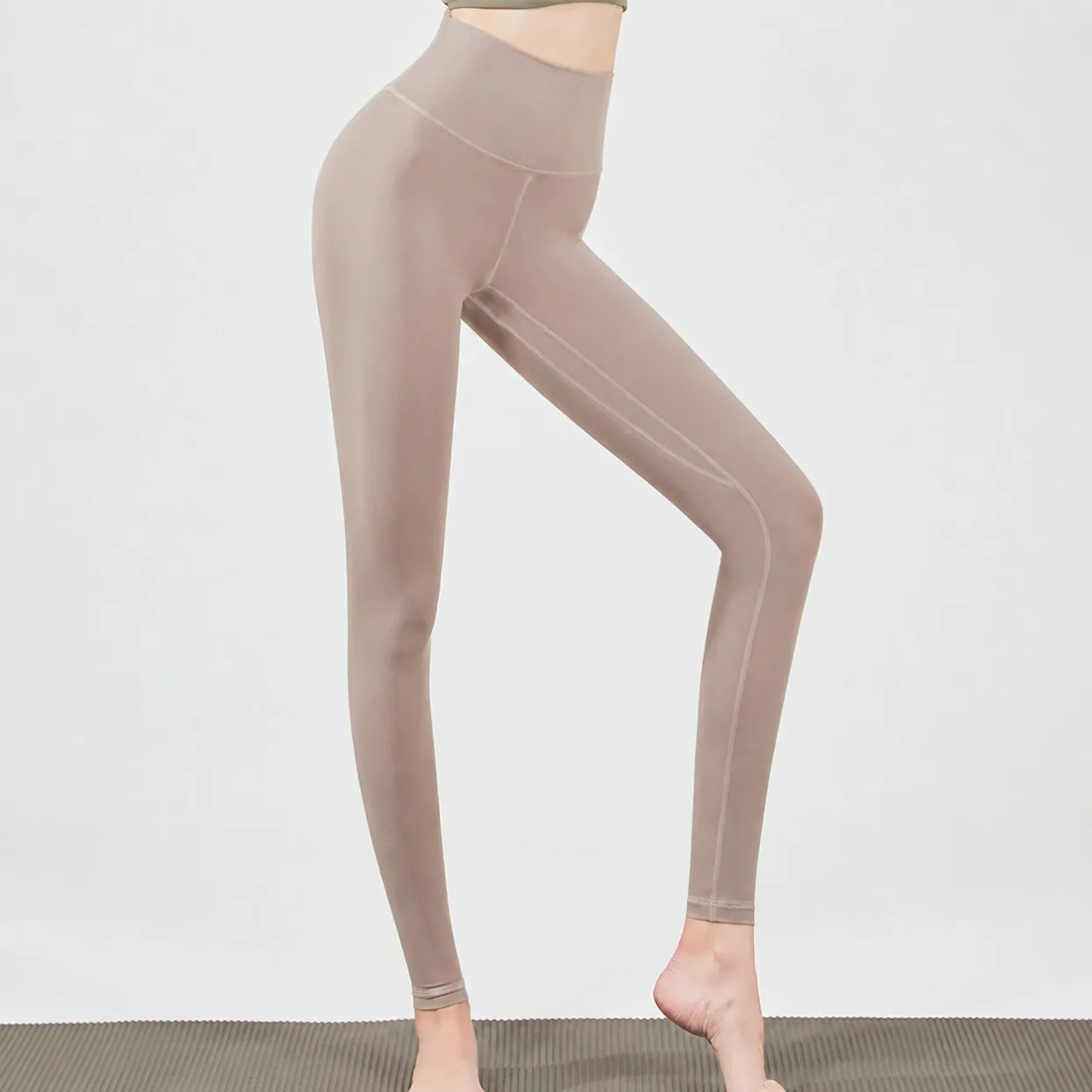
Compression levels for activewear should be defined by wearer, activity, body area and intended sensation, then developed through fabric recovery, pattern dimensions, panels, waistbands, underbands and construction. Use reference garments and repeatable fit feedback to compare samples, and avoid medical or promised outcome language unless relevant evidence supports it.
Brands use terms such as light, medium or high compression, but these labels are subjective unless tied to wearer goals and product evidence.
Compression feel comes from material, pattern, panels, mapped structures, elastic and the wearer. It must be assessed in the intended garment and size range.
What buyers should decide about choosing compression levels for activewear development
Wearer goal
Describe the desired feel, activity, body area, movement and duration. Avoid translating a subjective target directly into medical language.
Material recovery
Review extension and return together with weight, surface, opacity and comfort. High recovery alone does not define the final garment feel.
Pattern and zones
Pattern dimensions, panels, waistbands, underbands or seamless maps can change support by area. Document the intended effect.
Approval method
Use reference garments, fit review, wearer feedback or a defined product test to align language with the approved sample.
A practical development process
Step 1: Define the activity, product and target wearer experience
Define the activity, product and target wearer experience.
Step 2: Select material and construction directions that can support the goal
Select material and construction directions that can support the goal.
Step 3: Create a sample with planned pattern or zones
Create a sample with planned pattern or zones.
Step 4: Evaluate movement, pressure, recovery, coverage and size behavior
Evaluate movement, pressure, recovery, coverage and size behavior.
Step 5: Approve only the claims supported by the final product evidence
Approve only the claims supported by the final product evidence.
Buyer checklist
1. Activity and wearer description
2. Target body area and feel
3. Fabric stretch and recovery
4. Pattern, panels or mapped zones
5. Movement, coverage and comfort
6. Size-range and claim approval
Turn the checklist into an internal approval record
For this decision, the buyer record should cover activity and wearer description, target body area and feel, fabric stretch and recovery, pattern, panels or mapped zones, movement, coverage and comfort, size-range and claim approval. Give every item an owner and mark it confirmed, pending evidence, open to recommendation or blocked. Link approvals to the exact file, sample, material, color or commercial response instead of relying on memory. This lets design, sourcing, merchandising and quality teams see the same status before the project advances.
Retain the record with reference garment and wearer-experience brief, fabric, measurement and zoned-construction record, repeatable fit and movement feedback across relevant sizes. When a decision changes, update the affected styles and approval references, then confirm whether quotation, sampling or production instructions also need revision. A visible change trail reduces contradictory comments and gives the supplier a clearer basis for the next action.
Common sourcing risks to control
Using compression labels as measurements
Light, medium and high can mean different things to different teams. Add references and evaluation criteria.
Ignoring wearer variation
Perceived pressure changes with body, size, activity and duration.
Over-reducing the pattern
Support direction must preserve mobility, coverage and comfort in the approved size range.
Making medical claims
Do not imply therapeutic outcomes without appropriate evidence and regulatory review.
Decision example: more pressure is not a complete correction
A sample feels loose at the waist but restrictive behind the knee. Increasing pressure across the entire garment could worsen mobility without solving waistband stability. The buyer should record the wearer, size, activity, location and desired sensation, then review fabric recovery, waistband structure, pattern dimensions and zoned construction separately. The next sample can be compared through the same movements and fit questions. This approach turns the word compression into specific product decisions rather than a single material request.
What makes the inquiry ready for the next step
Provide the target wearer and activity, reference garment, intended support areas, mobility priorities, fabric and handfeel direction, size range, colors and claim boundaries. Explain what the reference gets right and wrong. This helps the supplier propose a sample plan without interpreting “medium” or “high” as a universal specification.
What trustworthy supplier evidence looks like
Replace vague pressure words with a target experience
Moderate and high compression do not carry one universal garment specification. State where stability is needed, how long the product is worn, which movements matter and what the customer should feel. A reference garment can make the comparison more concrete when its useful and unwanted features are documented.
Review grading and edges, not only the base-size body
Pressure can concentrate at waistbands, underbands, armholes and hems. Sample review should include rolling, digging, numbness, restriction, recovery and appearance, with additional evidence where size proportions change. Increasing fabric thickness alone is not a reliable compression correction.
Questions to resolve before quotation or sampling
1. Where should the wearer feel stability and where is mobility essential?
2. Which reference garment best represents the target sensation?
3. How do fabric recovery and pattern dimensions interact?
4. Which sizes and garment edges need extra pressure review?
How Breez Sportswear supports the next step
Breez Sportswear can use the activity, wearer, reference garment and support-zone priorities to structure a compression development brief. Sample comments should describe location and experience so revisions can target the relevant material, pattern or construction variable.
The company does not publish unsupported guarantees for MOQ, delivery, certifications or product performance. Those items are confirmed for the actual project after the scope and evidence are available.
Related Breez resources
Frequently asked questions
How should a buyer communicate desired compression?
Provide a reference garment, target activity, body area, wearer description and the words customers should experience.
Can compression vary within one garment?
Yes. Panels, waistbands, underbands or mapped zones can create different support directions.
Does thicker fabric mean more compression?
Not automatically. Recovery, knit, pattern and construction all contribute to garment feel.
How should compression claims be written?
Use product-specific, evidence-backed language and avoid medical or promised outcome claims without support.
Discuss your sportswear project
Email breezsportswear@126.com or WhatsApp +86 181 4865 3131 with your product category, references, size range, material direction, branding needs and quantity range. Breez Sportswear will use the information to identify the next questions for development and quotation.