Aug 15, 2026Material Notes
Seamless vs Cut-and-Sew Activewear: Which Route Fits Your Product?
A product-development comparison to help brands choose a construction route for activewear bras, leggings, shorts, tops and sets.
Choose seamless or cut-and-sew activewear by the product outcome, not by trend language. Seamless construction can integrate mapped textures and reduce selected seams, while cut-and-sew construction offers panel, seam, pocket and fabric-placement control. Compare fit, size range, support zones, artwork, finishing, quantity context and route-specific samples before deciding.
Buyers need to select a construction route according to the design and wearer goal, not because one method is universally newer or better.
Seamless and cut-and-sew systems organize stretch, shaping, color, seams and development differently. The right route depends on the product brief.
What buyers should decide about seamless vs cut-and-sew activewear
Body mapping
Seamless construction can integrate rib, mesh and compression directions into a mapped structure. Cut-and-sew can shape through pattern pieces, panels and seam placement.
Material and surface options
Cut-and-sew offers broad fabric and panel combinations. Seamless relies on compatible yarn, knit structures and machine programming.
Fit and revision method
Seamless revisions can involve knit programming and size architecture; cut-and-sew revisions often focus on pattern, material and construction.
Collection expression
Choose the route that supports the intended texture, branding, color blocking, support and product-family consistency.
A practical development process
Step 1: Define the garment, activity, target look and support direction
Define the garment, activity, target look and support direction.
Step 2: Identify whether mapping or panel construction best serves the concept
Identify whether mapping or panel construction best serves the concept.
Step 3: Review material, color, size and branding constraints
Review material, color, size and branding constraints.
Step 4: Develop route-specific samples and evaluate fit and appearance
Develop route-specific samples and evaluate fit and appearance.
Step 5: Approve the construction system before extending the collection
Approve the construction system before extending the collection.
Buyer checklist
1. Garment and activity
2. Body-map or panel concept
3. Material or yarn direction
4. Size and grading strategy
5. Color and branding limitations
6. Sample revision and approval route
Turn the checklist into an internal approval record
For this decision, the buyer record should cover garment and activity, body-map or panel concept, material or yarn direction, size and grading strategy, color and branding limitations, sample revision and approval route. Give every item an owner and mark it confirmed, pending evidence, open to recommendation or blocked. Link approvals to the exact file, sample, material, color or commercial response instead of relying on memory. This lets design, sourcing, merchandising and quality teams see the same status before the project advances.
Retain the record with route-specific feasibility and limitation review, construction-appropriate sample and fit evidence, documented impact of design changes on tooling or pattern. When a decision changes, update the affected styles and approval references, then confirm whether quotation, sampling or production instructions also need revision. A visible change trail reduces contradictory comments and gives the supplier a clearer basis for the next action.
Common sourcing risks to control
Choosing seamless only to remove seams
Seamless garments can still include finishing and assembly, and the design must suit the knit structure.
Treating cut-and-sew as basic
Pattern engineering, panels and material combinations can create sophisticated fit and performance directions.
Ignoring size architecture
The construction system affects how sizes are developed and how support or texture changes across the range.
Comparing unlike samples
Use the same wearer goal and approval criteria when comparing routes.
Decision example: choose the route from the design constraint
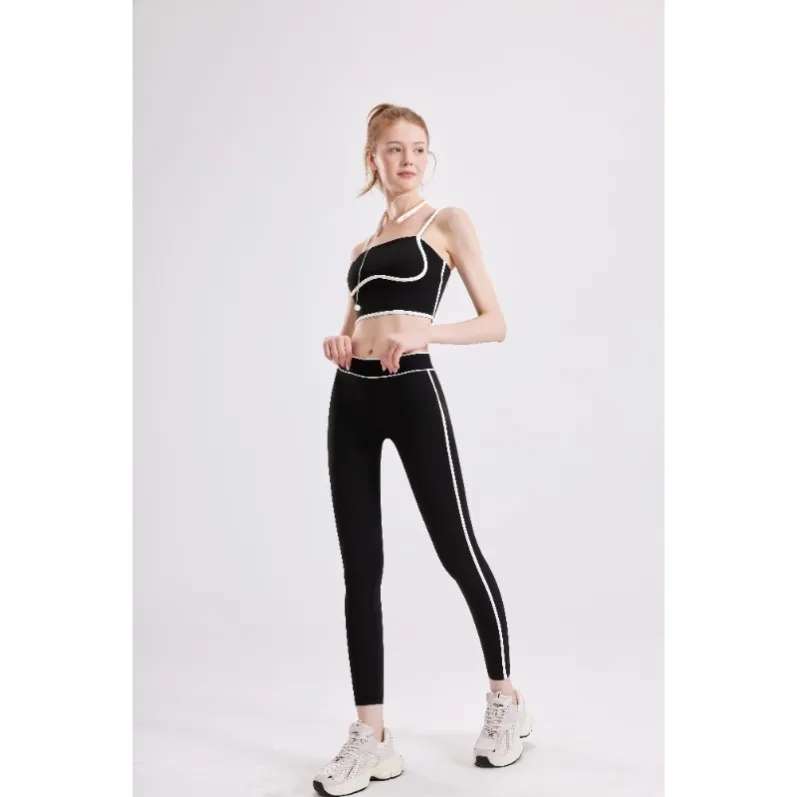
A legging concept uses mapped rib textures through the thigh and waistband with minimal visible seams. That direction may justify seamless feasibility review. A second concept requires a secure phone pocket, contrast side panels and precise print placement, which may favor cut-and-sew development. The buyer should not force both into one route for marketing consistency. Sample each concept through the construction method that supports its critical features, then coordinate color and brand language at collection level.
What makes the inquiry ready for the next step
Send the silhouette, mapped or panel artwork, desired seam appearance, pockets, support zones, size range, material direction, colors, branding and quantity context. Ask which details are fixed by knitting or pattern decisions and how later changes affect development, tooling or sampling.
What trustworthy supplier evidence looks like
Ask what the route changes in development
A seamless concept may translate artwork into knit zones and require different size or color planning. A cut-and-sew concept may depend on pattern panels, seam placement and material yield. The supplier should explain which design decisions become expensive or inflexible after a particular approval point.
Compare finished garments, not slogans
Terms such as sculpting, second skin or seam-free can hide different constructions. Review the exact sample for pressure, coverage, texture, finishing, chafing points, size behavior and visual result. Keep public claims aligned with what the chosen route and garment evidence actually demonstrate.
Questions to resolve before quotation or sampling
1. Which product feature depends on the chosen construction route?
2. How will sizing and support zones be approved?
3. Which changes remain flexible after the first sample?
4. What finishing or joining operations are still required?
How Breez Sportswear supports the next step
Breez Sportswear can review the desired silhouette, mapped details, materials, pockets, branding and size range to identify which construction route deserves sampling. The recommendation should remain specific to the garment rather than become a universal claim that one method is better.
The company does not publish unsupported guarantees for MOQ, delivery, certifications or product performance. Those items are confirmed for the actual project after the scope and evidence are available.
Related Breez resources
Frequently asked questions
Is seamless activewear completely seam-free?
Not necessarily. Products can still require finishing, joining or component attachment depending on the design.
Which route is better for color blocking?
Both can support visual contrast, but the method, limitations and appearance differ. Review the specific concept with the supplier.
Can a collection combine both routes?
Yes. Coordinate color and brand language while keeping route-specific development records.
How should buyers decide?
Prioritize the garment goal, fit, visual structure, material, size range, branding and sample evidence.
Discuss your sportswear project
Email breezsportswear@126.com or WhatsApp +86 181 4865 3131 with your product category, references, size range, material direction, branding needs and quantity range. Breez Sportswear will use the information to identify the next questions for development and quotation.