Low MOQ Activewear: What's Realistic and What to Verify
A factory view of low MOQ activewear: the maths behind minimums, realistic bands per category, what small batches really change, and the checks before deposit.
Low MOQ is the most requested phrase in activewear sourcing and the least examined. Every factory has a minimum for a reason: cutting tables, dye lots, and trims all carry fixed costs that someone must absorb. The honest question is not who advertises the smallest number, but whose maths you can see and whose claim you can verify.
Why MOQs exist
Three fixed costs set the floor. Setup: patterns, markers, and machine changeovers cost the same for fifty pieces as for five hundred. Fabric: dye lots and mill minimums arrive in rolls; a colour your programme needs may require a full roll regardless of your order. Trims: labels, elastics, and packaging have their own minimums. A factory's MOQ is the point where those costs stop eating the order.
Realistic MOQ bands by product type
Core leggings and shorts
Fifty to one hundred pieces per style per colourway is the realistic premium band when the factory holds the fabric programme. Below that, someone is pre-buying risk, usually you.
Sports bras
Component-heavy: cups, elastics, sliders. One hundred per style per colourway is common, with lower numbers possible on existing blocks.
Hoodies and tracksuits
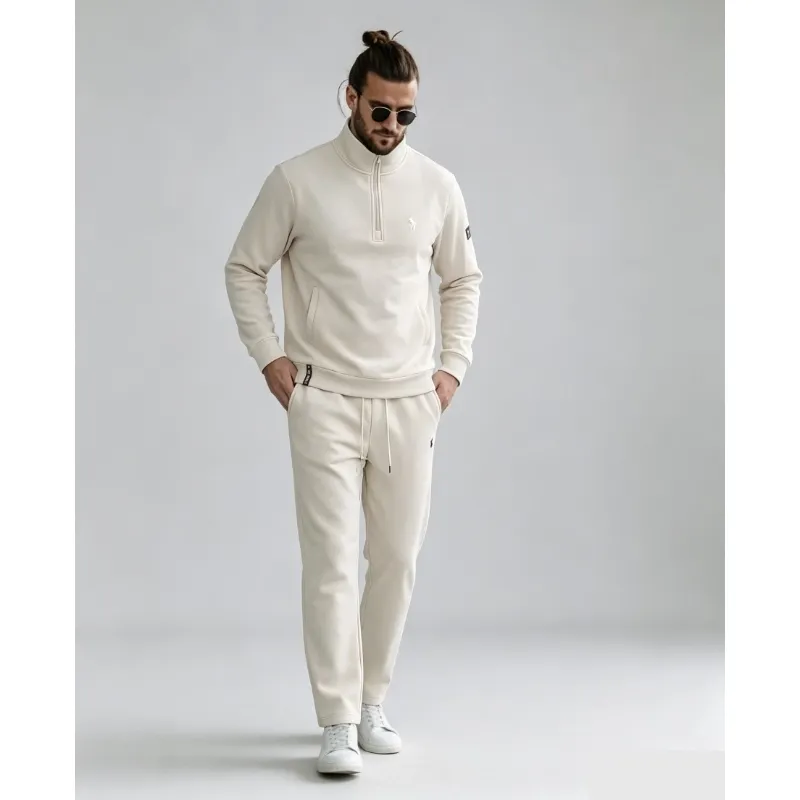
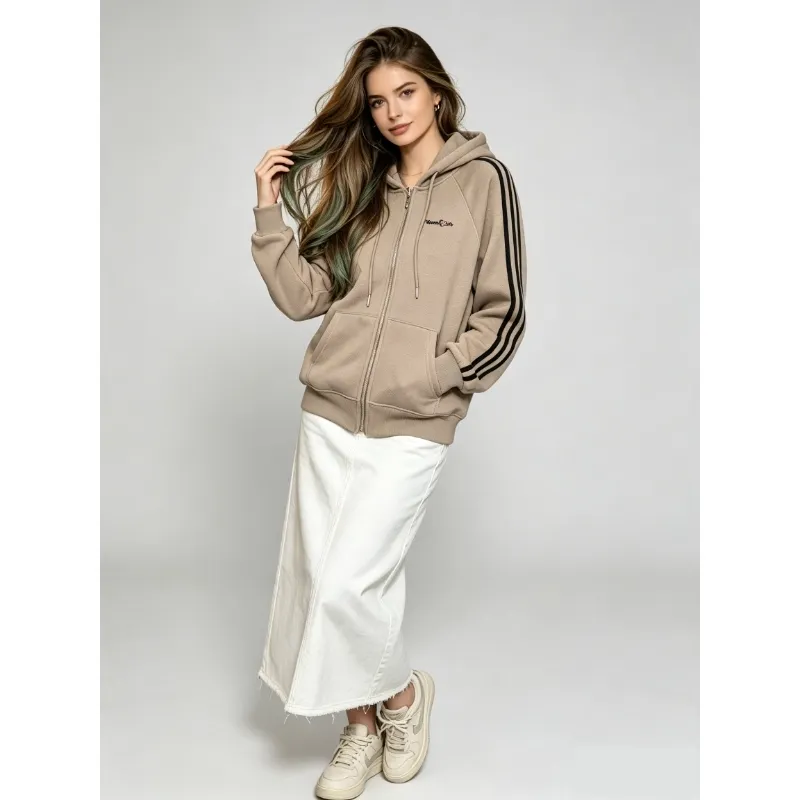
Fabric-driven. Fifty per colourway works within a mill's standing programme; custom-dyed colours push minimums up.
Print-led pieces
Sublimation lowers MOQs dramatically because printing replaces dyeing, and panels print per piece. This is why print-first launches start easier.
What low MOQ actually changes
Small batches trade unit economics for optionality. Per-piece cost rises, colour choices narrow to stock programmes, and fabric substitutions become the main risk. What you gain is speed to market and affordable learning: two or three styles tested with real customers before committing a season.
Red flags when a low MOQ looks too good
Watch for: MOQs far below the category band with no explanation of the fabric source; refusal to name the mill or lot policy; quotes that change after the deposit; requests for full prepayment; and sample quality that does not match the promised bulk spec. None of these prove a scam, but together they change where the risk sits, and it is not with them.
How to verify a small-batch claim
Ask three questions and check one document. Which fabric programmes can you run at this MOQ, from stock or custom? What is your lot policy for matching re-orders? What tolerance and QC gates apply to small runs? The document: a sealed sample from the actual fabric programme at the actual MOQ. A factory that answers in specifics can run the numbers it quoted.
Mixed-style and mixed-size MOQ options
Many programmes allow mixing sizes within a style at the stated minimum, and some allow mixing styles within one fabric programme. This is the practical path for new brands: one fabric, two or three styles, full size runs each, all inside one cutting window. Ask for it explicitly; it is rarely on the price list.
Planning a first order you can sell through
Size the first order to your worst realistic week, not your best fantasy month. Two styles in three colours beats six styles in one deep pile of risk. Keep one colour within the factory's stock programme for fast re-orders, and reserve custom dye for the colour your brand owns.
When higher MOQ is the cheaper choice
Per-piece maths improves with volume, and if a style is already proven, jumping to the efficient band before the second season saves real money. The skill is knowing which styles have earned the jump. Sales data, not hope, makes that call.
Questions to ask before committing
What is the MOQ per style per colour, and can sizes mix inside it? Which fabric programmes apply at this MOQ? What is the re-order match policy? What are the payment stages? What QC reports come with the run? Five questions, all answerable in one call by a factory that does this work weekly.
Questions buyers ask
What is a normal MOQ for activewear?
Premium custom programmes commonly run fifty to one hundred pieces per style per colourway, with component-heavy bras toward the top of that band. Print-led pieces start lower because printing replaces dyeing.
Can I order fifty leggings?
Yes, inside a factory's standing fabric programme. Below those bands, ask who is holding the risk, because someone is.
Why do factories set MOQs?
Fixed costs: setups, dye lots, and trim minimums. The MOQ is where those costs stop consuming the order.
Does low MOQ cost more per unit?
Yes, and that is arithmetic rather than padding. Fixed setup costs spread across fewer pieces raise the share each piece carries.
The first-order plan, step by step
Here is the first-order sequence that keeps new brands solvent. One: choose one fabric programme from the factory's standing range, so lot risk sits with them. Two: pick two styles that share the programme, one hero and one companion. Three: take full size runs of both inside the minimum, mixed sizes as allowed.
Four: hold one colour in reserve as the fast re-order, since it can ship without dye queues. Five: set the sell-through checkpoint before the order lands, a date on which data decides the second order. Six: re-order the winner at the efficient band, and retire the loser without ceremony.
That loop, learn small, prove, then commit, is the entire low MOQ strategy. Everything else is detail, and the factories who can run it will describe this exact sequence before you do.
Payment stages for small orders
Small orders deserve stage protection as much as large ones, and factories respect buyers who propose structure. A working pattern: a starting deposit with the confirmed spec, a mid payment against inline inspection photos, and the balance against the final inspection report and packing list. Evidence at each stage, money at each stage.
Keep the stages proportionate; small orders strangled by payment ladders slow both sides for little protection. The goal is evidence-linked cash flow, not bargaining power.
Propose the stages with the first quote and keep them constant across orders. Factories price steady buyers better than suspicious ones, and the paper trail you build is exactly what a bigger programme will need later.
One closing mindset for small orders: treat each one as an audition for the next. The factory watches how you approve, communicate, and pay; you watch how they quote, sample, and correct. Small orders are cheap courses in partnership, and the brands that learn fastest are the ones that document each round. By the third order you will know whether this relationship deserves the efficient volumes, and so will they, which is precisely how good long programmes begin.
Bottom line
Low MOQ is a real service with real economics. Choose factories that show the maths, verify claims with sealed samples from the actual programme, mix sizes and styles inside one fabric window, and size the first order to evidence. Then small batches become what they should be: affordable learning that leads to confident volume.
Tell us your launch plan at info@breezsportswear.com or WhatsApp +86 181 4865 3131. We will return the MOQ bands we run per category, the mix rules, and the re-order match policy in one sheet.
Related reading: private label sportswear buyer preparation, sportswear manufacturer red flags, OEM vs ODM sportswear guide. See our OEM ODM services or contact us.