
Aug 15, 2026Buying Guides
Private Label Sportswear: What Buyers Should Prepare
The information checklist brands should prepare before requesting sportswear development, sampling or quotation.
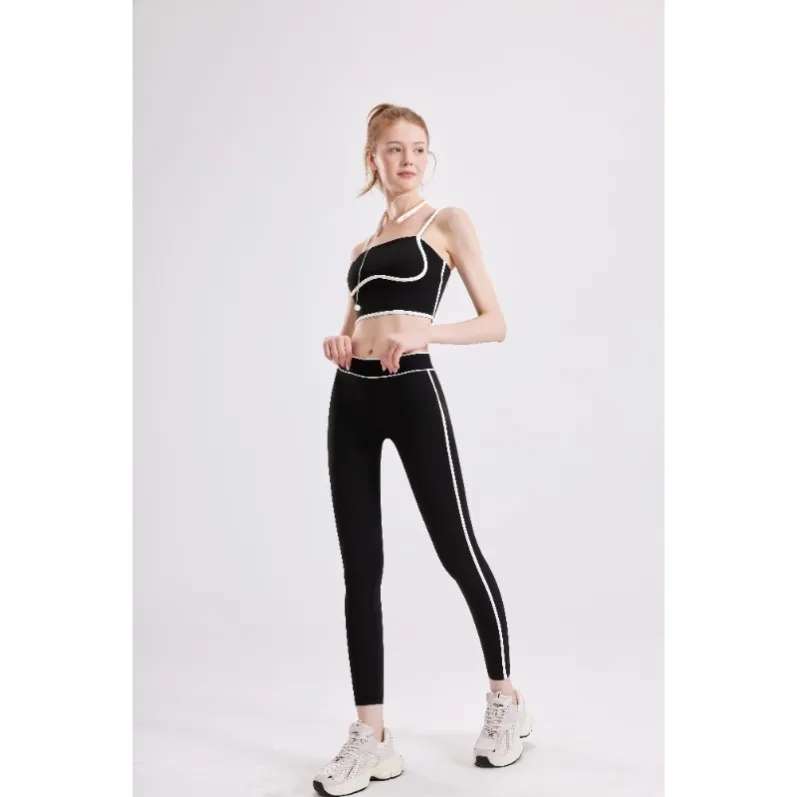
Before contacting a private label sportswear supplier, prepare the target customer, product category, reference images or tech pack, size range, material direction, colors, branding, packaging, quantity range, destination and launch priorities. Mark each item as confirmed, preferred or open so the manufacturer can identify assumptions instead of hiding them inside a premature quotation.
Buyers want faster, more comparable responses and fewer sampling rounds, but many initial inquiries omit the decisions suppliers need.
A useful brief does not need to be perfect. It should distinguish confirmed requirements, preferences, references and questions so the supplier can respond accurately.
What buyers should decide about private label sportswear
Customer and channel
State who will wear the product, intended activity, market and sales channel. These factors influence fit, coverage, price and packaging decisions.
Assortment and priorities
List styles, colors and launch priorities. Identify the first development styles instead of treating a large collection as equally urgent.
Product evidence
Provide tech packs, reference samples, images, measurements or competitor observations and label each source clearly.
Commercial assumptions
Share quantity range, target timing, packaging and destination as planning inputs, while expecting final terms after product scope is clear.
A practical development process
Step 1: Define the customer, category and collection objective
Define the customer, category and collection objective.
Step 2: Build one structured record per style
Build one structured record per style.
Step 3: Mark confirmed, preferred and open decisions
Mark confirmed, preferred and open decisions.
Step 4: Submit the brief and consolidate supplier questions
Submit the brief and consolidate supplier questions.
Step 5: Update the record after every material and sample approval
Update the record after every material and sample approval.
Buyer checklist
1. Target market and customer
2. Style list and launch priority
3. References or tech packs
4. Size and fit direction
5. Fabric, color and branding
6. Quantity range, packaging and destination
Turn the checklist into an internal approval record
For this decision, the buyer record should cover target market and customer, style list and launch priority, references or tech packs, size and fit direction, fabric, color and branding, quantity range, packaging and destination. Give every item an owner and mark it confirmed, pending evidence, open to recommendation or blocked. Link approvals to the exact file, sample, material, color or commercial response instead of relying on memory. This lets design, sourcing, merchandising and quality teams see the same status before the project advances.
Retain the record with structured style-by-style buyer brief, confirmed/preferred/open decision matrix, versioned question, revision and approval log. When a decision changes, update the affected styles and approval references, then confirm whether quotation, sampling or production instructions also need revision. A visible change trail reduces contradictory comments and gives the supplier a clearer basis for the next action.
Common sourcing risks to control
Sending an unlabeled image folder
The supplier cannot know which image controls fit, color, detail or mood unless references are explained.
Giving a target price without scope
Price has little meaning before material, construction, quantity and packaging assumptions are comparable.
Treating preferences as fixed
Marking decision status helps suppliers suggest alternatives without overriding confirmed requirements.
Combining styles in one paragraph
One product per record reduces missed details and makes revisions traceable.
Decision example: make an incomplete brief transparent instead of pretending it is complete
A startup may know that it wants a four-piece yoga collection but still be choosing fabric weight, final colors and packaging. It can still approach a supplier productively by listing the four styles, target customer, use, references, size range and launch priorities, then marking fabric, colors and packaging as open decisions. This lets the supplier ask category-specific questions and offer development options. Sending only a mood board and requesting the lowest quotation encourages hidden assumptions and produces prices that cannot be compared.
What makes the inquiry ready for the next step
Use one row per style and columns for confirmed, preferred and open inputs. Include the target quantity range and destination even when the final order is undecided because these affect the commercial discussion. Name the buyer-side decision owner so supplier questions do not remain scattered across departments.
What trustworthy supplier evidence looks like
Separate facts from preferences
A buyer may require a specific logo placement but remain open to material weight, or may prefer a color while waiting for availability review. Labeling the status of each input helps the supplier offer options without treating every mood-board detail as mandatory or every missing point as permission to assume.
Prepare one record per style
Collection-level direction is useful, but each garment still needs its own measurements, construction, artwork, color and packaging status. A style matrix makes missing inputs visible and prevents approvals for one product from being copied accidentally to another product in the same collection.
Questions to resolve before quotation or sampling
1. Which inputs are fixed requirements and which are open to recommendation?
2. What customer, activity and price position guide product choices?
3. Which files or physical references will control approval?
4. Who on the buyer team can close open decisions quickly?
How Breez Sportswear supports the next step
Breez Sportswear can start with partial references when the open points are identified honestly. A structured intake helps the team return focused feasibility questions and define what must be resolved before sampling or a dependable quotation.
The company does not publish unsupported guarantees for MOQ, delivery, certifications or product performance. Those items are confirmed for the actual project after the scope and evidence are available.
Related Breez resources
Frequently asked questions
Do I need a tech pack to start?
No, but provide enough references and written direction to define the product. Development scope should be confirmed before quotation or sampling.
Should I provide a target price?
It can guide options when accompanied by product and quantity context. It should not replace a clear specification.
How should colors be communicated?
Use named physical or agreed digital references, then approve the final material color through the supplier’s documented process.
When should labels and packaging be discussed?
Include them in the initial brief and finalize artwork and placement before production handoff.
Discuss your sportswear project
Email breezsportswear@126.com or WhatsApp +86 181 4865 3131 with your product category, references, size range, material direction, branding needs and quantity range. Breez Sportswear will use the information to identify the next questions for development and quotation.