Aug 15, 2026Buying Guides
How to Plan a Private Label Hoodie and Tracksuit Collection
A collection-planning guide for coordinating hoodies, jackets, joggers and tracksuit sets around a shared brand direction.
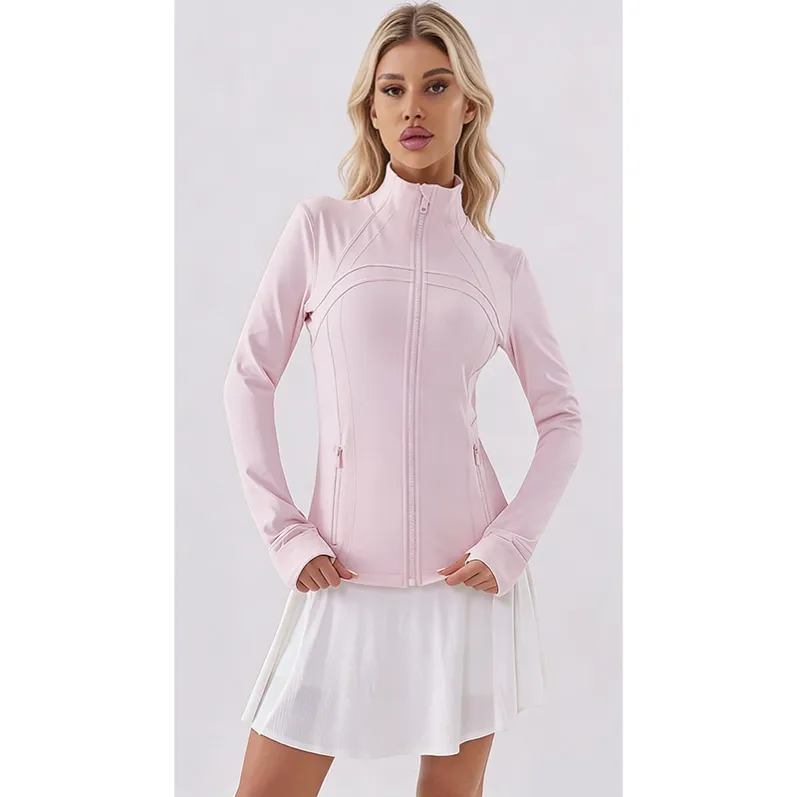
When working with a private label hoodie manufacturer, plan the collection as coordinated outfits but approve every hoodie, jacket and jogger as its own style. Define target customer, silhouette, fabric weight and surface, rib and trim, pockets, closures, branding, color matching, measurements and packaging, then review both individual fit and complete outfit balance.
Brands want coordinated warm-up and lifestyle pieces but need to manage product-specific fit, materials and trims without losing collection consistency.
A hoodie or tracksuit range should share customer, color and brand logic while allowing tops and bottoms to use the fit and construction each garment needs.
What buyers should decide about how to plan a private label hoodie and tracksuit collection
Collection role
Define training, travel, warm-up, recovery, team, street or leisure use. The role informs silhouette, weight, mobility and branding.
Fabric system
Choose whether tops and bottoms share one material or coordinate across compatible weights and surfaces. Review color matching on actual materials.
Silhouette and fit
Set shoulder, body, sleeve, hood, rise and leg-volume directions for men’s, women’s or unisex ranges.
Hardware and branding
Coordinate zippers, drawcords, eyelets, rib, labels, embroidery, print and packaging through one trim and artwork plan.
A practical development process
Step 1: Define the customer, use and core outfit combinations
Define the customer, use and core outfit combinations.
Step 2: Build a color, material and trim architecture
Build a color, material and trim architecture.
Step 3: Create product-specific measurements within the collection silhouette
Create product-specific measurements within the collection silhouette.
Step 4: Review individual samples and complete outfit appearance
Review individual samples and complete outfit appearance.
Step 5: Freeze matching, branding and packing requirements by style
Freeze matching, branding and packing requirements by style.
Buyer checklist
1. Customer and wearing occasion
2. Top and bottom assortment
3. Fabric weight and surface
4. Fit and proportion by product
5. Zippers, cords, rib and pockets
6. Color matching, branding and packaging
Turn the checklist into an internal approval record
For this decision, the buyer record should cover customer and wearing occasion, top and bottom assortment, fabric weight and surface, fit and proportion by product, zippers, cords, rib and pockets, color matching, branding and packaging. Give every item an owner and mark it confirmed, pending evidence, open to recommendation or blocked. Link approvals to the exact file, sample, material, color or commercial response instead of relying on memory. This lets design, sourcing, merchandising and quality teams see the same status before the project advances.
Retain the record with style-level specification within a collection matrix, approved cross-material color and trim reference, individual-fit and complete-outfit sample review. When a decision changes, update the affected styles and approval references, then confirm whether quotation, sampling or production instructions also need revision. A visible change trail reduces contradictory comments and gives the supplier a clearer basis for the next action.
Common sourcing risks to control
Forcing one fabric onto every style
A shared fabric can help consistency, but tops and bottoms may need different weight, recovery or drape.
Approving pieces separately only
Review the complete outfit for color, proportion and branding balance.
Ignoring hardware color
Zippers, pulls, cords and eyelets can break a coordinated palette.
Using one unisex grade without review
Proportion and customer expectations may require dedicated blocks or selected size checks.
Decision example: matching color is a collection-level approval
A hoodie and jogger use the same main fabric, but the hoodie also includes rib, drawcord, zipper tape and embroidery. Approving the body fabric alone does not prove that the finished outfit will look coordinated. The buyer should review the main material and trim set together, then inspect the complete samples under an agreed color process. If the jogger fit changes, that revision stays in the jogger record; if the shared shade changes, every affected style and trim must be identified.
What makes the inquiry ready for the next step
Define the essential outfits, style list, silhouettes, main and contrast materials, rib and trim, colors, branding, pockets, closures, size range, packaging and quantity direction. Mark shared collection decisions separately from style-level measurements and construction so quotations and approvals remain traceable.
What trustworthy supplier evidence looks like
Coordinate without merging product records
A hoodie and jogger may share fabric, color and branding but still require separate measurements, construction, consumption and approval comments. Maintain one collection architecture plus one controlled record per style so a revision to a waistband does not silently alter the sweatshirt or jacket.
Approve color across different surfaces
Main fabric, rib, zipper tape, drawcord, embroidery and labels can reflect the same nominal color differently. Review the complete outfit and trim set under an agreed color process, especially for pale neutrals and mixed material constructions.
Questions to resolve before quotation or sampling
1. Which pieces form the essential outfits for the target customer?
2. What fit relationship should connect tops and bottoms?
3. Which materials and trims must match across styles?
4. How will branding and packaging stay consistent without losing style-level control?
How Breez Sportswear supports the next step
Breez Sportswear can organize a hoodie and tracksuit brief into collection-wide decisions and style-specific development records. This helps buyers discuss coordinated materials and branding while keeping fit, construction and quotation scope clear for each product.
The company does not publish unsupported guarantees for MOQ, delivery, certifications or product performance. Those items are confirmed for the actual project after the scope and evidence are available.
Related Breez resources
Frequently asked questions
Can hoodies and joggers be developed as separate styles?
Yes. Coordinate them through shared color, material and branding while retaining separate product records and approvals.
Should tracksuit pieces use identical fabric?
They can, but performance, drape and comfort should be evaluated for both the top and bottom.
What branding methods can be considered?
Print, embroidery, patches, labels and hardware details can be reviewed for the material and intended appearance.
How should color matching be approved?
Review the exact materials and trims under an agreed process because different surfaces can show the same color differently.
Discuss your sportswear project
Email breezsportswear@126.com or WhatsApp +86 181 4865 3131 with your product category, references, size range, material direction, branding needs and quantity range. Breez Sportswear will use the information to identify the next questions for development and quotation.