Aug 15, 2026Buying Guides
Sportswear Sample Development: A Buyer Review Checklist
A repeatable framework for reviewing sportswear samples and returning clear, production-useful comments.
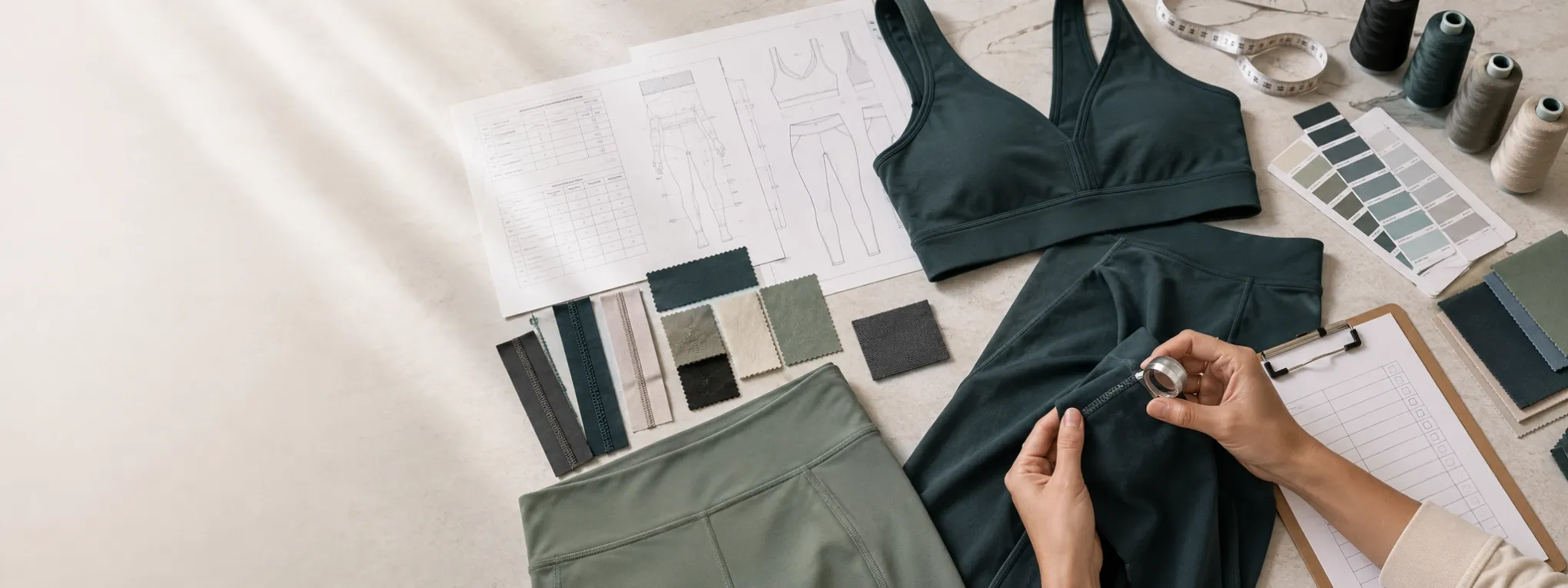
A sportswear sample development checklist should compare the sample with the approved brief for identity, material, color, measurements, fit, movement, construction, components, artwork and packaging. Consolidate all comments into one annotated record, distinguish required corrections from preferences and questions, and state what evidence will close the round before requesting the next sample.
Buyers need to turn subjective reactions into specific comments that pattern, sourcing and production teams can apply consistently.
Sample review should separate identity, material, measurement, fit, construction, appearance and branding so one issue does not hide another.
What buyers should decide about sportswear sample development
Sample identity
Confirm style, version, color, size and purpose before reviewing. A fit sample and a final pre-production reference do not prove the same things.
Measurement and fit
Measure against the current chart, then evaluate posture, mobility, pressure, coverage, balance and silhouette on the intended body.
Construction and appearance
Review seams, edges, components, symmetry, artwork, labels and the behavior of design details during movement.
Comment priority
Mark critical corrections, preferences and questions separately. State the desired result and reference evidence wherever possible.
A practical development process
Step 1: Photograph and label the received sample
Photograph and label the received sample.
Step 2: Compare material, color, trims and artwork with current approvals
Compare material, color, trims and artwork with current approvals.
Step 3: Measure the garment and record deviations
Measure the garment and record deviations.
Step 4: Conduct fit and movement review with structured comments
Conduct fit and movement review with structured comments.
Step 5: Issue one consolidated revision or approval record
Issue one consolidated revision or approval record.
Buyer checklist
1. Style, version, size and color
2. Material and trim identity
3. Measurement table
4. Fit, movement and coverage
5. Construction and workmanship
6. Branding, labels and approval status
Turn the checklist into an internal approval record
For this decision, the buyer record should cover style, version, size and color, material and trim identity, measurement table, fit, movement and coverage, construction and workmanship, branding, labels and approval status. Give every item an owner and mark it confirmed, pending evidence, open to recommendation or blocked. Link approvals to the exact file, sample, material, color or commercial response instead of relying on memory. This lets design, sourcing, merchandising and quality teams see the same status before the project advances.
Retain the record with single consolidated annotated sample review, measurement and construction comparison record, round-closure decision with open-item owners. When a decision changes, update the affected styles and approval references, then confirm whether quotation, sampling or production instructions also need revision. A visible change trail reduces contradictory comments and gives the supplier a clearer basis for the next action.
Common sourcing risks to control
Commenting from memory
Compare with the current brief and previous revision record so solved issues are not reopened accidentally.
Sending only marked photos
Images need written context, priority and the desired correction.
Mixing fit and workmanship
A seam defect and a pattern issue require different owners and follow-up.
Using “approved” without boundaries
State exactly which sample aspects are approved and which files or components still remain open.
Decision example: consolidate five opinions into one revision record
A designer wants a lower neckline, the fit reviewer requests more coverage and marketing prefers the original appearance. Sending all three comments to the sample team creates an impossible instruction. The buyer-side owner should compare each request with the target customer and approved brief, decide the priority and issue one marked correction. The record should identify the sample version, measurement or image evidence, required action and acceptance condition. This preserves accountability and prevents the next sample from being judged against a preference that was never approved.
What makes the inquiry ready for the next step
For every sample round, provide the style and version, wearer or form size, measurement results, front/back/detail images, movement observations and one consolidated comment file. State whether the next sample is for fit, material, sales review or pre-production confirmation so its approval criteria remain clear.
What trustworthy supplier evidence looks like
Make every comment executable
“Fit is wrong” does not tell the pattern or sample team what changed, where it appears or what outcome is expected. Pair photographs or marked diagrams with measurements, wearer context and a clear requested action. When possible, reference the original specification so the team can distinguish a defect from a changed preference.
Close contradictions before returning feedback
Marketing, design, fit and sourcing teams may produce conflicting comments. One buyer-side owner should consolidate them and confirm priority. Sending separate message threads creates false revisions, extends sample rounds and weakens the evidence used for final approval.
Questions to resolve before quotation or sampling
1. Does the sample match the intended material and color reference?
2. Which measurement or movement evidence supports each fit comment?
3. Is each note a correction, preference, question or production blocker?
4. What exact result will close this sample round?
How Breez Sportswear supports the next step
Breez Sportswear can work from a consolidated sample-review record that identifies the sample version, reviewer, measurements, marked images and requested changes. This makes the next sample purpose and remaining approval risks explicit.
The company does not publish unsupported guarantees for MOQ, delivery, certifications or product performance. Those items are confirmed for the actual project after the scope and evidence are available.
Related Breez resources
Frequently asked questions
Who should attend a fit review?
Include the people who can decide fit, product intent and commercial acceptance, with one owner consolidating comments.
How should corrections be prioritized?
Separate production blockers, fit corrections, cosmetic preferences and questions. Conflicting comments should be resolved before return.
Can photos replace returning a sample?
Photos are useful evidence, but physical return or retained approved samples may be needed depending on the issue and handoff process.
What closes a sample round?
A consolidated record should state approved points, required revisions, open questions, next sample purpose and responsible parties.
Discuss your sportswear project
Email breezsportswear@126.com or WhatsApp +86 181 4865 3131 with your product category, references, size range, material direction, branding needs and quantity range. Breez Sportswear will use the information to identify the next questions for development and quotation.