Aug 15, 2026Buying Guides
Building a Tennis and Pickleball Apparel Collection
A collection-development guide for courtwear brands planning coordinated tennis and pickleball products.
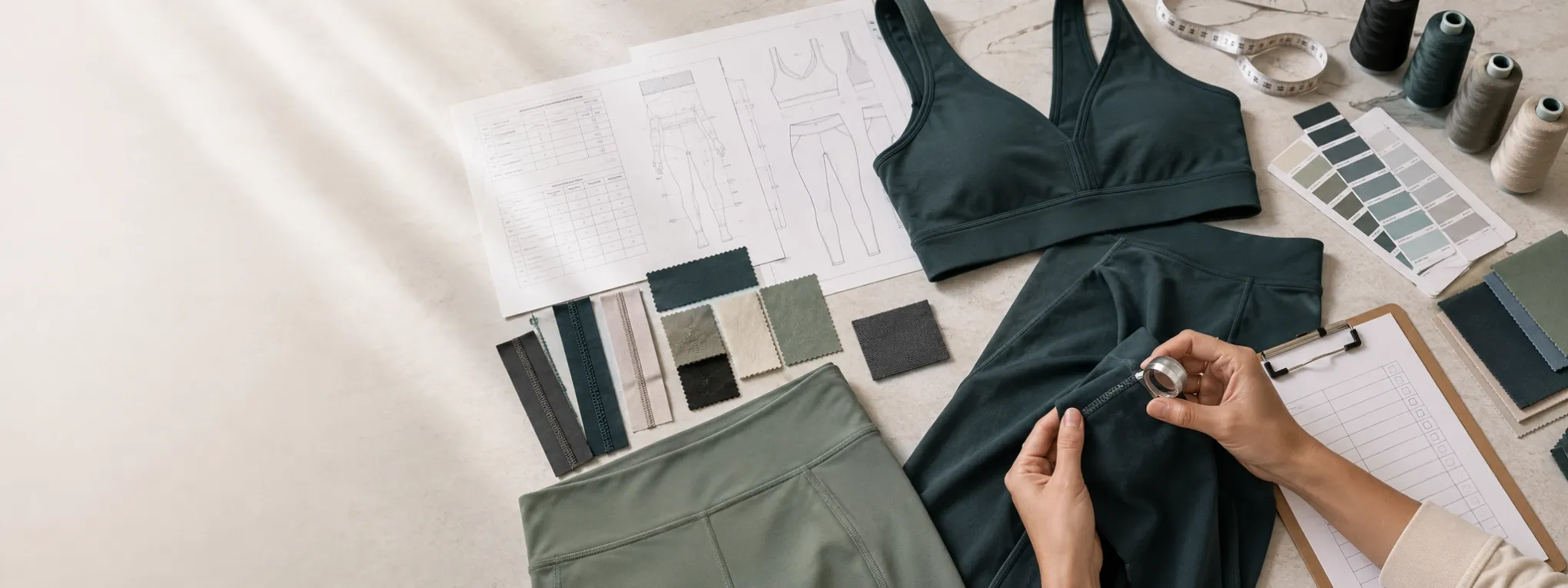
Build a tennis and pickleball apparel collection around complete player outfits and court movement. Define the target player, climate and channel, then coordinate tops, skirts or skorts, shorts, dresses and warm-up layers through coverage, inner shorts, pockets, fabric recovery, color, trim and branding. Test samples during serves, rotation, lunges and ball access before approval.
Brands entering courtwear need to balance movement, coverage, storage and style across skirts, shorts, tops, dresses and warm-up pieces.
Court apparel should be developed around player movement and complete outfits. Product details must support serves, rotation, lunges, ball storage and transitions off court.
What buyers should decide about building a tennis and pickleball apparel collection
Assortment architecture
Choose the core outfits and decide which pieces must coordinate across color, fabric and branding. Avoid launching disconnected styles.
Coverage and movement
Review skirt or dress length, inner shorts, armholes, straps, hems and fabric recovery during court-specific movement.
Ball and phone storage
Define pocket location, opening, depth, security and access according to the intended player use.
Court-to-lifestyle identity
Balance technical needs with the color, trim, silhouette and layering that express the brand beyond play.
A practical development process
Step 1: Define player, level, climate, channel and collection story
Define player, level, climate, channel and collection story.
Step 2: Plan complete outfits and shared colors or trims
Plan complete outfits and shared colors or trims.
Step 3: Create product briefs for movement, coverage and storage
Create product briefs for movement, coverage and storage.
Step 4: Review samples during court-relevant movement and outfit wear
Review samples during court-relevant movement and outfit wear.
Step 5: Approve individual styles and complete collection consistency
Approve individual styles and complete collection consistency.
Buyer checklist
1. Target player and climate
2. Core outfits and price architecture
3. Movement and coverage needs
4. Inner shorts and pocket details
5. Fabric, color and trim system
6. Branding, warm-up layers and packaging
Turn the checklist into an internal approval record
For this decision, the buyer record should cover target player and climate, core outfits and price architecture, movement and coverage needs, inner shorts and pocket details, fabric, color and trim system, branding, warm-up layers and packaging. Give every item an owner and mark it confirmed, pending evidence, open to recommendation or blocked. Link approvals to the exact file, sample, material, color or commercial response instead of relying on memory. This lets design, sourcing, merchandising and quality teams see the same status before the project advances.
Retain the record with player and court-movement product brief, coverage, inner-short and pocket-use sample review, complete-outfit color, trim and branding approval. When a decision changes, update the affected styles and approval references, then confirm whether quotation, sampling or production instructions also need revision. A visible change trail reduces contradictory comments and gives the supplier a clearer basis for the next action.
Common sourcing risks to control
Using a fashion pose as movement proof
Evaluate garments during serves, bends, lunges and rotation in addition to appearance.
Forgetting inner-short behavior
Rise, length, grip, seams and pockets affect comfort and confidence under skirts or dresses.
Adding pockets without user logic
Pocket direction should match ball access, phone size and product silhouette.
Mixing unmatched whites
Different fabrics and trims can show white and pale colors differently; approve the complete outfit.
Decision example: start with outfits, then justify every additional style
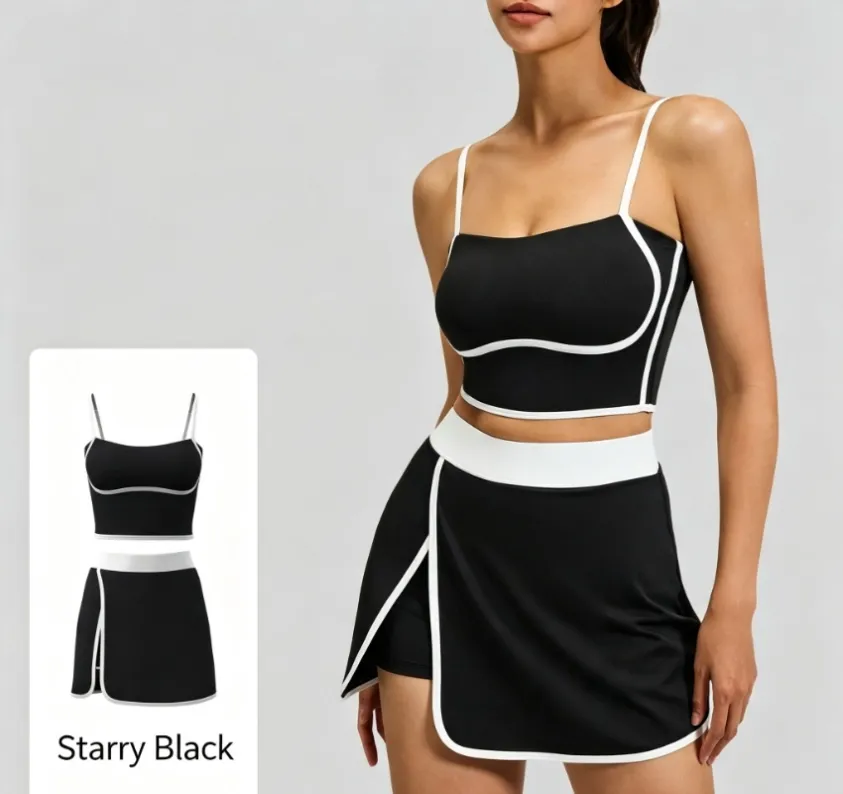
A first courtwear range might begin with two coordinated tops, one skirt with inner shorts, one short, one dress and a warm-up layer. Each piece should combine into a clear outfit and solve a distinct player or merchandising need. Adding another skirt only because a reference image is attractive can divide development attention without improving the assortment. Review serves, lunges, rotation, coverage and ball access for each product, then examine color and trim consistency across the complete range.
What makes the inquiry ready for the next step
Describe the target player, climate, sales channel, core outfits, size range, movement and coverage priorities, pocket use, inner-short requirements, fabric direction, colors, branding and quantity range. Separate functional requirements from visual inspiration so the sample team knows what must be preserved during development.
What trustworthy supplier evidence looks like
Validate the hidden functional layer
For skirts and dresses, the inner short can determine confidence more than the outer silhouette. Review rise, length, hem behavior, seams, grip, pocket direction and visibility during court movement. A clean standing image is merchandising evidence, not proof of player coverage or comfort.
Build assortment logic before adding styles
Choose the core outfits, shared colors and repeatable design signatures that let customers combine pieces. Each added product should solve a player or merchandising need. This prevents a first collection from becoming a group of attractive but unrelated samples with duplicated functions.
Questions to resolve before quotation or sampling
1. Which complete outfits serve the target player and channel?
2. How will movement, coverage and ball storage be reviewed?
3. Which colors and trims must coordinate across different materials?
4. What makes each style necessary in the first assortment?
How Breez Sportswear supports the next step
Breez Sportswear can review the target player, product mix, movement priorities, reference styles and brand direction to organize a courtwear development sequence. The first quotation becomes more meaningful after the outfit architecture and style-specific open points are visible.
The company does not publish unsupported guarantees for MOQ, delivery, certifications or product performance. Those items are confirmed for the actual project after the scope and evidence are available.
Related Breez resources
Frequently asked questions
Which products should a first courtwear collection include?
A focused range may begin with coordinated tops, skirts or skorts, shorts, dresses and one warm-up layer according to the target customer.
Can tennis and pickleball share products?
They can share many product directions, but the brand should still define its player, channel and use priorities.
What should be tested in a courtwear sample?
Review mobility, coverage, inner shorts, pocket access, fabric recovery, seams, opacity and complete outfit appearance.
How can a brand create a distinctive courtwear identity?
Use a consistent silhouette, color, trim, branding and outfit system while keeping functional details relevant to the player.
Discuss your sportswear project
Email breezsportswear@126.com or WhatsApp +86 181 4865 3131 with your product category, references, size range, material direction, branding needs and quantity range. Breez Sportswear will use the information to identify the next questions for development and quotation.