Aug 15, 2026Buying Guides
How to Develop Private Label Leggings
A development roadmap for brands planning leggings with a clear fit, function, material and private-label identity.
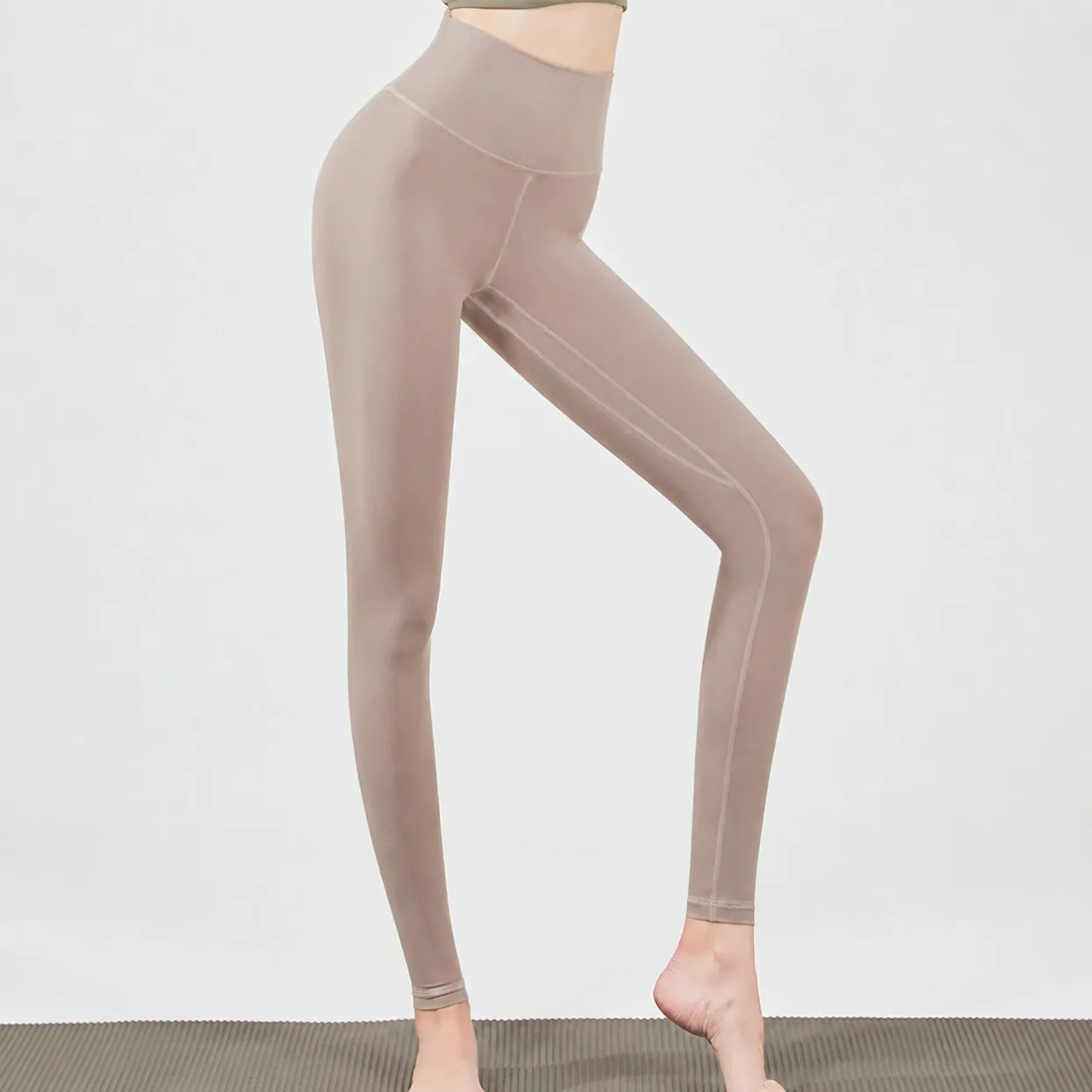
Private label leggings development begins with the wearer, activity, support direction and silhouette, then defines rise, waistband, inseam, gusset, seams, pockets, fabric, color and branding. Approve the exact garment through measurement, movement, opacity and recovery review, and keep every revision connected to a written sample record before bulk production.
Buyers need to convert a visual leggings concept into decisions that control fit, coverage, waistband behavior and repeatable production.
Leggings development combines fabric and pattern decisions. Rise, waistband, crotch, gusset, inseam and leg shape must work with stretch, recovery and the intended activity.
What buyers should decide about how to develop private label leggings
Fit block and rise
Define the target body, size chart, rise and intended silhouette. A front image alone does not communicate crotch depth, back rise or movement expectations.
Waistband architecture
Review height, internal structure, contour, elastic use, top-edge behavior and the balance between support and comfort.
Gusset, seams and pockets
Place construction features according to movement, chafe risk, storage needs and the visual language of the collection.
Fabric and opacity
Evaluate weight, stretch, recovery, surface and coverage on the garment in the planned colors.
A practical development process
Step 1: Define the customer, activity, length, rise and silhouette
Define the customer, activity, length, rise and silhouette.
Step 2: Choose a material direction and construction map
Choose a material direction and construction map.
Step 3: Create a sample using the target measurement and branding brief
Create a sample using the target measurement and branding brief.
Step 4: Review movement, opacity, waistband, seams and graded fit
Review movement, opacity, waistband, seams and graded fit.
Step 5: Freeze approved dimensions, materials, colors and label placement
Freeze approved dimensions, materials, colors and label placement.
Buyer checklist
1. Target body and size range
2. Rise, length and leg shape
3. Waistband construction
4. Gusset, seam and pocket placement
5. Fabric, color and opacity target
6. Branding, labels and packaging
Turn the checklist into an internal approval record
For this decision, the buyer record should cover target body and size range, rise, length and leg shape, waistband construction, gusset, seam and pocket placement, fabric, color and opacity target, branding, labels and packaging. Give every item an owner and mark it confirmed, pending evidence, open to recommendation or blocked. Link approvals to the exact file, sample, material, color or commercial response instead of relying on memory. This lets design, sourcing, merchandising and quality teams see the same status before the project advances.
Retain the record with legging-specific measurement and fit record, color-specific opacity and movement review, approved waistband, gusset, pocket and seam construction. When a decision changes, update the affected styles and approval references, then confirm whether quotation, sampling or production instructions also need revision. A visible change trail reduces contradictory comments and gives the supplier a clearer basis for the next action.
Common sourcing risks to control
Copying only the front view
Leggings fit is strongly affected by back rise, crotch, gusset and waistband construction.
Using one fit size as full proof
Selected graded sizes may be needed to understand how proportions and support carry through the range.
Approving dark color only
Lighter colors can change visible opacity and surface behavior.
Adding pockets late
Pocket dimensions and placement affect seams, pattern pieces, phone security and appearance.
Decision example: solve waistband roll with evidence, not one instruction
During a fit review, the waistband rolls on one wearer during seated movement. Asking only for a tighter waistband may create digging or opacity problems elsewhere. Record the wearer and size, waistband position, movement, fabric behavior and where the roll begins. The revision may involve waistband height, layers, elastic, pattern dimensions, seam position or material recovery. Comparing the next sample with the same test and reference turns a subjective complaint into a controlled development decision.
What makes the inquiry ready for the next step
A legging inquiry should name rise, length, waistband direction, gusset, seam layout, pockets, fabric priorities, colors, size range, branding and quantity range. Include a reference garment when possible and explain which details to keep or change. This reduces the risk of quoting a generic legging that does not match the customer promise.
What trustworthy supplier evidence looks like
Review the product on movement, not only standing fit
Squats, bends, steps and seated movement can reveal waistband roll, seam tension, pocket interference, rise discomfort and coverage changes. Record the test context and color because an attractive standing photo does not demonstrate how the intended customer will experience the garment.
Treat waistband and fabric as one system
Support is influenced by material recovery, pattern dimensions, waistband height, layers, elastic decisions and body proportions. Avoid asking for “more compression” as a universal correction. Identify where the wearer needs stability and compare revisions against the same fit objective.
Questions to resolve before quotation or sampling
1. Which fit reference defines rise, length and waistband position?
2. What movement and lighting will be used for opacity review?
3. Which pockets, seams or branding details affect stretch areas?
4. How will grading be reviewed beyond the base size?
How Breez Sportswear supports the next step
Breez Sportswear can review a legging reference or tech pack and convert open fit, fabric, pocket, seam, color and branding points into a sample-development checklist. Quotation and order terms are then confirmed against the defined style scope.
The company does not publish unsupported guarantees for MOQ, delivery, certifications or product performance. Those items are confirmed for the actual project after the scope and evidence are available.
Related Breez resources
Frequently asked questions
What information is needed to quote custom leggings?
Provide style references, size range, rise, length, waistband, seams, pockets, fabric direction, colors, branding and quantity range.
Can an existing legging reference be customized?
Yes, but specify which fit, construction and aesthetic elements are references and which must change for your brand.
How is squat-proof performance confirmed?
Use the approved fabric and garment in the intended colors and evaluate coverage under relevant movement and lighting. Avoid unsupported blanket claims.
Should leggings and sports bras use the same fabric?
They can share a visual direction, but each garment may need different support, recovery, weight or lining decisions.
Discuss your sportswear project
Email breezsportswear@126.com or WhatsApp +86 181 4865 3131 with your product category, references, size range, material direction, branding needs and quantity range. Breez Sportswear will use the information to identify the next questions for development and quotation.